Flat Roof vs Pitched Roof: Pros, Cons & Costs | Werner Roofing
By Werner-Admin
Choosing the right roof style is one of the most important decisions you'll make when building or renovating a home or commercial structure. For most projects, the choice typically comes down to two options: a flat roof or a pitched roof.
Both styles offer unique advantages in durability, lifespan, cost, and aesthetics, but the best choice depends heavily on your climate, budget, and long-term goals.
To help you decide, this guide breaks down the flat roof vs. pitched roof debate with clear pros and cons, real-world performance in Michigan's weather, and current cost considerations.
What Is a Flat Roof?
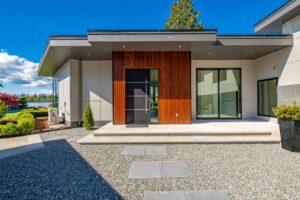
Flat roofs appear level, but they're actually built with a subtle slope that directs water toward drains or gutters. They're common on commercial buildings and modern residential designs.
What Is a Pitched Roof?
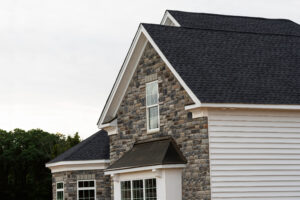
A pitched roof is any roof with a visible slope or peak. Most have two angled surfaces that meet at a ridge, creating the classic triangular shape that's most common on Michigan homes.
Why pitched roofs are popular in the Midwest:
- They shed snow and rain easily
- They offer better long-term durability
- They fit traditional residential architecture
Pitched roofs can be built with asphalt shingles, metal roofing, tile, or composite materials - all of which affect lifespan and cost.
Flat Roof vs. Pitched Roof: Quick Comparison Table
| Feature | Flat Roof | Pitched Roof |
|---|---|---|
| Appearance | Modern, clean lines | Traditional, classic shape |
| Typical Lifespan | 10-20 years | 20-30 years (asphalt) / 40-70 years (metal) |
| Best For | Commercial buildings, contemporary homes | Most Michigan homes; snowy climates |
| Upfront Cost | Generally lower ($6-$12 per sq. ft.) | Higher ($8-$15+ per sq. ft.) |
| Maintenance Needs | Higher - requires seasonal inspections | Lower - sheds water and snow naturally |
| Leak Risk | Higher due to ponding water | Lower because of natural drainage |
| Weather Performance | Fair; requires proper drainage | Excellent for rain, snow, and freeze-thaw cycles |
| Usable Space | Can support HVAC, solar, and rooftop space | Limited (attic or storage only) |
| Energy Efficiency | Strong with reflective membranes | Strong with proper ventilation and insulation |
| Installation Speed | Faster | Slightly longer due to complexity |
Flat Roof vs. Pitched Roof: Pros & Cons
Pitched Roof Pros:
Excellent for Michigan's Climate
The slope helps snow and rain drain quickly, reducing moisture-related wear and lowering the risk of leaks.
Long Lifespan
A typical asphalt-shingle-pitched roof lasts 20-30 years, while a metal-pitched roof can last 40-70 years with proper care.
Lower Maintenance Needs
Because water runs off instead of pooling, pitched roofs require fewer inspections and repairs over time.
Classic Curb Appeal
They complement most architectural styles and fit naturally into Michigan neighborhoods.
Higher Lifetime Value
Although upfront costs are higher, pitched roofs often have the lowest annual cost of service.
Pitched Roof Cons:
Higher Upfront Installation Cost
A pitched roof requires more structural framing, more labor, and more material, which can increase installation costs.
Not Ideal for Modern Architecture
If your project has a contemporary aesthetic, the traditional sloped shape may not align with it.
Flat Roof Pros:
Modern, Minimalist Style
Flat roofs complement contemporary homes and commercial buildings that emphasize clean, straight lines.
Lower Upfront Cost
When comparing the cost of a flat roof versus a pitched roof, flat roofs typically come out ahead. They use fewer materials and require less structural complexity.
Fast Installation
A simpler design means quicker turnaround times, which is ideal for commercial projects or tight construction schedules.
Usable Rooftop Space
Flat roofs can support:
- Rooftop HVAC units
- Solar panels
- Outdoor living spaces (depending on design)
- Storage or mechanical systems
Flat Roof Cons
Shorter Lifespan
Most flat roofs last 10-20 years, depending on material and maintenance. Harsh Michigan winters can reduce their lifespan if ice and snow accumulate.
Higher Maintenance Requirements
Flat roofs should be inspected at least twice per year, especially after heavy snow or rain.
Increased Risk of Leaks
The low slope makes it easier for water to pond, which accelerates wear and increases the chance of leaks without proper drainage.
Flat Roof vs. Pitched Roof: Cost Comparison
Many homeowners want to know the same thing: What's the cost difference between a flat roof and a pitched roof?
Average Costs of Flat and Pitched Roofs (Michigan Estimates)
| Roof Type | Typical Cost Range | Notes |
|---|---|---|
| Flat Roof | $6-$12 per sq. ft. | Lower upfront cost but more frequent maintenance |
| Pitched Roof (Asphalt Shingles) | $8-$15 per sq. ft. | Higher initial investment + longer lifespan |
| Pitched Roof (Metal Roofing) | $12-$20+ per sq. ft. | Most durable, lowest lifetime cost |
Bottom line:
A flat roof saves money upfront, but a pitched roof often provides better value long term, especially in snowy climates like West Michigan.
Flat Roof vs Pitched Roof: FAQs
Q: What lasts longer: a flat roof or a pitched roof?
A: A pitched roof typically lasts 20-30 years with asphalt shingles and 40-70 years with metal, depending on materials and maintenance. Flat roofs generally last 10-20 years due to increased exposure to ponding water and weather wear.
Q: Are flat roofs suitable for snowy climates like Michigan?
A: Flat roofs can work in snowy regions, but they require proper drainage systems and more frequent inspections to prevent ponding and leaks. Pitched roofs naturally shed snow, making them better for heavy-snow areas.
Q: Do flat roofs leak more often than pitched roofs?
A: Flat roofs have a higher leak risk because water can pool on the surface. With proper slope design, drainage, and maintenance, leaks can be minimized, but pitched roofs inherently handle moisture better.
Q: Is a flat roof more energy-efficient?
A: Flat roofs can support larger insulation layers and reflective membranes, making them highly energy-efficient for commercial buildings. Pitched roofs can also be energy efficient when ventilated and insulated correctly.
Q: Which roof type is easier to maintain?
A: Pitched roofs are easier to maintain long-term because water naturally runs off. Flat roofs may require semi-annual inspections and occasional drainage checks.
Flat Roof vs. Pitched Roof: Which One Should You Choose?
Here's a simplified breakdown to help you decide:
Choose a Pitched Roof if you want:
- Better long-term durability
- Lower maintenance
- Superior performance in harsh weather
- A traditional or classic architectural style
Choose a Flat Roof if you want:
- A modern aesthetic
- Lower upfront installation costs
- Usable space for equipment, decks, or solar
- A faster construction timeline
Still Deciding Which Type of Roof To Invest In? Talk to the Roofing Experts at Werner Roofing
Werner Roofing has decades of experience installing both pitched and flat roofing systems across West Michigan. We'll walk you through costs, material options, and what will give you the best return on your investment.
Call us at 616-844-5382 or contact us online to schedule your free roofing consultation.
OUR FREE ROOF INSPECTION
How do you know when it's time for a new roof? The only way to be sure of your residential roof's current condition is to have a licensed professional personally inspect it. Werner Roofing is proud to offer free roof inspections for every client, so you can be sure of your roof's condition. Every Werner Roofing inspection comes complete with our promise: "We won't recommend or sell a roof replacement unless it's necessary."